If you run a limited company in the UK, you cannot simply transfer money from the business account to your personal account. Instead, there are four main legal ways to withdraw money: paying yourself a salary through PAYE, taking dividends from company profits, using a director’s loan, or claiming reimbursement for business expenses.
Each method is treated differently for tax purposes, so choosing the right approach is important to remain compliant with HMRC and avoid unnecessary tax.
This guide explains how each withdrawal method works, when it can be used and the key tax and compliance points you need to consider.
Key Takeaways
Salary Payments: Pay yourself through PAYE to stay tax-efficient and compliant.
Dividends: Withdraw profits as dividends only from post-tax earnings.
Director’s Loan: Avoid overdrawn loan accounts to prevent Section 455 tax.
Expense Claims: Reclaim genuine business expenses with proper receipts.
Tax Rules: Understand the tax impact of each withdrawal method.
Record Keeping: Maintain accurate records for HMRC compliance.
Professional Advice: Consult an accountant for effective tax planning.
Note: This article has been updated and republished on 07 April 2026 to include the latest 2026-27 information about withdrawing money from a limited company.
Top Tips for Withdrawing Money from Your Limited Company
A Limited Company is a separate business entity incorporated at Companies House as a legal person. This means you cannot simply take money out of the company account whenever you wish. Its debts belong to the company, not you, and all finances legally belong to the company first.
When you first register your limited company, you put yourself down as a director of the company. The primary role of a director is to run the Limited Company on behalf of its shareholders. This means that the Director is typically an employee of the Limited Company.
The goal of the Director is to run the Company to ensure that it makes a profit for the shareholder(s), and therefore, there is a certain procedure that you must follow in order to take the money out. This can surely be done in following ways:
1. Paying Yourself a Director’s Salary
As the director, you can pay yourself a regular salary through PAYE (Pay As You Earn). If structured correctly, this can be tax-efficient:
- A salary counts as an allowable business expense, reducing corporation tax liability.
- It keeps you eligible for state benefits, including the State Pension.
- Your company must register with HMRC as an employer in order to pay you via PAYE.
- You also need to register for Self-Assessment to report this income.
For the 2026/27 tax year, the key figures confirmed by GOV.UK rates and thresholds for employers 2026 to 2027 are:
- The Personal Allowance remains at £12,570. You do not pay Income Tax on this portion.
- The Primary Threshold (employee NICs) remains at £12,570 per year. Employees start paying National Insurance contributions on earnings above this level.
- Directors pay employee NICs at 8% on earnings between £12,570 and £50,270, and 2% above that.
- The company pays 15% employer NICs on salary above the Secondary Threshold of £5,000 per year.
- The Employment Allowance remains at £10,500 for 2026/27, which eligible employers can offset against their annual employer NIC bill. Note that companies with a single director as the sole employee cannot claim this allowance.
Tax planning advice from a professional accountant is strongly recommended to minimise liabilities.
2. Issuing Dividend Payments from Available Profits
As a shareholder, you can choose to leave surplus income in your company and withdraw money from your private limited company as dividend payments. Dividends are issued in relation to the percentage of ownership represented by your shares.
If you are the sole shareholder, you are entitled to receive all remaining income after the deduction of costs, tax and expenses.
Key Points for 2026/27:
- Companies pay 25% Corporation Tax on profits above £250,000 and 19% small profits rate on profits below £50,000.
- Dividends are paid on post-tax profits and are not deductible for Corporation Tax purposes.
- The Dividend Allowance remains at £500 for 2026/27, unchanged from 2025/26.
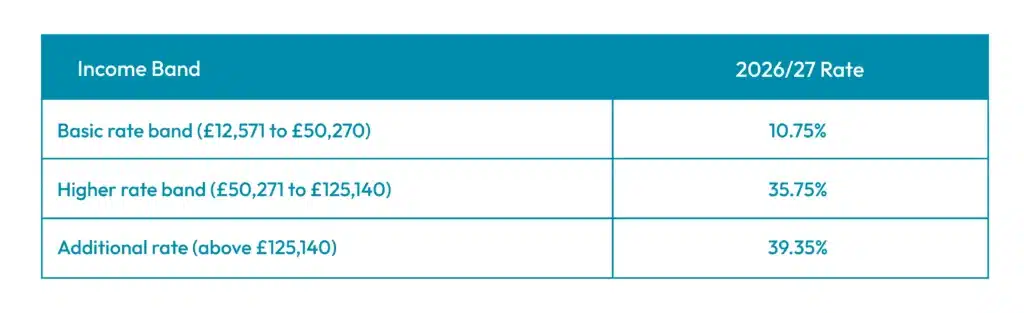
- Dividend tax rates from April 2026 as confirmed by GOV.UK Income Tax rates and Personal Allowances are as follows:
Important for directors: From 6 April 2025, new close company dividend reporting rules apply. Directors of close companies, which covers most owner-managed businesses, must now complete mandatory additional fields on their Self-Assessment return.
While paying a dividend, you must hold a board meeting to declare the dividend and minutes of the meeting should be taken. This procedure applies even if you are the sole shareholder and director. You need to record the date the dividend was issued and keep a dividend voucher to show details of the payment.
For the 2026/27 tax year, the Self-Assessment deadline for reporting and paying dividend tax is 31 January 2028.
3. Taking Money Out of the Limited Company as a Director’s Loan
A director can withdraw money from a company account through a director’s loan. This records all transactions between you and the company and must appear on your company’s balance sheet.
Never remove more than you have put in, as an overdrawn loan account carries serious tax consequences.
According to HMRC’s official guidance on director’s loans, if your loan account remains overdrawn nine months after the accounting year end, Section 455 Tax is charged at 33.75% on the outstanding amount.
If you owe less than £10,000:
- No personal tax liability, but company tax consequences apply
- Section 455 Tax at 33.75% applies if overdrawn beyond 9 months and 1 day from ARD
- Outstanding amount must appear in your Company Tax Return
If you owe more than £10,000:
- Must be declared on your Self-Assessment Tax Return
- Income Tax may apply on any interest due
- Company must deduct Class 1 National Insurance
- Section 455 Tax at 33.75% applies on the overdrawn amount
How much can a director withdraw from a company account via a director’s loan?
There is no strict legal limit, but keeping the loan below £10,000 and repaying within 9 months of the accounting year end is the most tax-efficient approach.
4. Claiming Expenses for Business-Related Items
You can reclaim money spent from your own pocket on genuine business expenses, provided you have proper evidence. Full guidance on allowable expenses is available on GOV.UK’s expenses and benefits for directors and employees.
Claimable Expenses Include:
- Travel, accommodation, mileage and parking
- Mobile phones and computer equipment
- Meals and entertainment
- Training fees and postage costs
To Make a Valid Claim:
- Keep all receipts and records for at least six years
- Submit claim forms to the company
- Ensure all reimbursements are recorded in company accounts
At year end, complete form P11D to report expenses to HMRC. Although not a major income source, expense claims are valuable as they are completely tax-free. Some expenses may qualify for dispensation, removing the need to report them on P11D at all.
How Much Can a Director Withdraw from a Company Account?
This is one of the most frequently asked questions by directors. The answer depends entirely on which method of withdrawal you use:
- Salary: The most tax-efficient level in 2026/27 for most directors is at or around the Personal Allowance of £12,570, balancing income tax and NIC obligations.
- Dividends: You can only pay dividends from available post-tax profits. Taking more than the company has earned as distributable profit constitutes an unlawful dividend.
- Director’s Loan: Any amount is permissible, but loans above £10,000 trigger significant additional tax obligations and must be carefully managed.
- Expenses: Limited to genuine, evidenced business expenditure only.
Knowing how to withdraw money from a private limited company in the most tax-efficient way requires balancing all four methods above and reviewing your position at the start of each tax year with the support of a qualified accountant.
Conclusion
Taking money out of a limited company requires careful planning and adherence to legal and tax regulations. Whether you are taking money out of a limited company as salary, dividends, a director’s loan, or business expense claims, each method has distinct tax implications and reporting requirements for 2026/27.
The most significant changes for 2026/27 to be aware of are the increase in dividend tax rates to 10.75% and 35.75% for basic and higher rate taxpayers respectively, and the new close company dividend reporting obligations that now apply to most owner-managed businesses.
Proper record-keeping, compliance with HMRC rules, and strategic tax planning are essential to avoid penalties and ensure efficiency. Consulting a qualified accountant can help you manage your company finances effectively and make the most tax-efficient decisions for your business.
Disclaimer: Tax rules and thresholds are subject to change. Always refer to HMRC’s official guidance or consult a qualified tax adviser for advice specific to your circumstances.
Frequently Asked Questions
How to take money out of a limited company?
You can take money out legally by paying yourself a salary, issuing dividends, taking director’s loans or reclaiming business expenses.
Can a director withdraw money from the company account?
No, directors cannot freely withdraw money. Funds must be withdrawn through salary, dividends, loans or expense reimbursements recorded properly.
What are the tax implications of withdrawing money as salary vs dividends?
Salary is subject to income tax and National Insurance but is a deductible business expense. Dividends have no NIC but attract dividend tax at different rates and are paid from post-tax profits.
What happens if I overdraw my director’s loan account?
If a director’s loan exceeds £10,000, Section 455 tax applies: 33.75% for loans before 6 April 2026, rising to 35.75% for loans after this date.
Can I take money out if my company makes a loss?
You can pay yourself a salary or reclaim business expenses, but dividends can only be paid if the company has distributable profits.
Do I need to keep records of withdrawals?
Yes, accurate records for salaries, dividends, expenses and loans must be kept complying with HMRC and Companies House regulations.

Divyanshi is a subject matter expert in the UK accounting space, creating clear and easy-to-read content for accountants and businesses. She covers topics such as VAT returns, Self-assessment tax, bookkeeping, business planning and Year-end accounts. By understanding the common challenges faced by accountants and business owners, she focuses on writing content that answers real questions and simplifies complex topics. Her approach keeps information clear, relevant and useful for everyday business needs.