Dividend tax rates increased by 2 percentage points for basic and higher rate taxpayers from 6 April 2026. For a director drawing £30,000 in dividends within the higher rate band, this means approximately £600 more in tax this year, with no change to the amount being withdrawn. This applies to the 2026–27 tax year and is already in effect.
The dividend allowance is now £500. With higher tax rates, dividend income is taxed more each year. Directors who have not reviewed their salary and dividend structure may be paying more tax than they need to.
Key Takeaways
From 6 April 2026, the UK dividend tax basic rate is 10.75% and the higher rate is 35.75%, both up by 2 percentage points from 2025-26. The additional rate remains at 39.35%.
The dividend allowance for 2026-27 is £500. The first £500 of dividend income is taxed at 0%, though it still counts towards total taxable income when determining your tax band.
Dividends are taxed after salary and other income. Salary uses up the personal allowance and basic rate band first, which can push dividends into a higher tax band.
Limited company directors pay themselves dividends from post-corporation-tax profits. The corporation tax and personal dividend tax both need to be considered together to understand the actual tax position.
UK Dividend Tax Rates in 2026-27
These rates apply to dividend income received in the 2026-27 tax year, which began on 6 April 2026, as confirmed in the Autumn Budget on 30 October 2024, taking effect from 6 April 2026. It does not matter whether your dividends come from a limited company, a share portfolio or an overseas company; the same rates apply.
| Tax Band | Income Range | 2025-26 Rate | 2026-27 Rate |
|---|---|---|---|
| Basic rate | £12,571 – £50,270 | 8.75% | 10.75% |
| Higher rate | £50,271 – £125,140 | 33.75% | 35.75% |
| Additional rate | Over £125,140 | 39.35% | 39.35% (unchanged) |
| Dividend allowance | First £500 | 0% | 0% |
The 2-percentage point increase applies to basic and higher rate taxpayers only. The additional rate is unchanged.
Dividend tax rates are consistent across England, Wales, Scotland and Northern Ireland. Unlike income tax on earnings, dividend tax does not vary for Scottish taxpayers.
Dividend Allowance in 2026-27
The dividend allowance for 2026-27 is £500 the amount of dividend income you can receive before dividend tax applies. That first £500 is taxed at 0%, though it still forms part of your total taxable income, which determines which band your remaining dividends fall into. Any dividends that fall within your unused personal allowance of £12,570 are also taxed at 0%.
Dividends held inside a Stocks and Shares ISA are entirely tax-free. They do not count against the £500 allowance and do not need to be declared to HMRC.
How Dividend Tax is Calculated: Step-by-Step Calculation Process
Dividend tax follows a fixed order. Salary, pension income and any other non-dividend income are set against the personal allowance and basic rate band first. Dividends are then taxed on whatever remains, which means they can fall into a higher band depending on your total income for the year.
The calculation follows five steps:
- Add up all income for the year: salary, pension, rental income and dividends.
- Apply the personal allowance of £12,570 to arrive at total taxable income.
- Non-dividend income fills the tax bands first, starting from the lowest.
- Apply the £500 dividend allowance. The first £500 of dividend income is taxed at 0%.
- Tax any remaining dividends at the rate corresponding to the band they fall into.
Example 1: Basic Rate Taxpayer Director (2026-27)
- Salary: £12,570 equal to the personal allowance, so no income tax on salary
- Dividend income: £25,000
- The salary accounts for the full personal allowance, leaving none for dividends
- Dividend allowance applied: £500 at 0%
- Remaining dividends: £24,500. Total income is £37,570, which falls below the £50,270 threshold, so all remaining dividends are taxed at the basic rate
- Tax payable: £24,500 × 10.75% = £2,633.75
Example 2: Higher Rate Taxpayer Director (2026-27)
- Salary: £12,570
- Dividend income: £50,000
- Total income: £62,570, which exceeds the £50,270 basic rate threshold
- The salary uses the full personal allowance. The £37,700 basic rate band then applies to dividends
- Basic rate dividends: £37,200 (after the £500 allowance) × 10.75% = £3,999
- Higher rate dividends: £12,300 × 35.75% = £4,397.25
- Total dividend tax: approximately £8,396
These are illustrative figures. The actual liability will vary depending on all sources of income, pension contributions and any tax reliefs applicable in the year.
Dividend Tax for Limited Company Directors
A limited company pays Corporation Tax on profits first; only after this can dividends be issued. Dividends are not a deductible business expense; they are distributions of post-tax profit. The director then pays personal dividend tax on amounts received above the £500 allowance.
Corporation Tax Rates for 2026-27:
- 19% on profits up to £50,000 (small profits rate)
- 25% on profits above £250,000
Most Tax-Efficient Salary in 2026-27
The optimum salary remains £12,570. This uses the full personal allowance, avoids income tax on salary and keeps National Insurance exposure minimal. Remaining profits are then drawn as dividends, which are taxed at lower rates than salary.
Even with the 2% rate increase in 2026-27, the salary-plus-dividends route remains meaningfully more tax-efficient than drawing everything as salary for most directors.
The £100,000 Income Trap
The personal allowance is reduced by £1 for every £2 of income above £100,000 and is fully withdrawn at £125,140. This creates an effective marginal tax rate exceeding 60% across that range.
Directors approaching this level should make employer pension contributions through the company. This reduces adjusted net income, can restore the lost personal allowance and qualifies for corporation tax relief, making it efficient at both levels.
How to Report and Pay Dividend Tax to HMRC?
Dividend income is reported to HMRC through self-assessment, a PAYE code adjustment or requires no reporting at all depending on how much you receive in the tax year.
Key Thresholds:
| Dividend Income | Action Required | Deadline |
|---|---|---|
| Below £500 | No reporting required | NA |
| £500 – £10,000 (not in self-assessment) | Notify HMRC to adjust tax code | 5 October 2027 |
| Above £10,000 | Register for self-assessment | 5 October 2027 |
Exception: If you are already registered for Self-Assessment (as most directors are), you must declare all dividend income – even if below £500 – as it affects your overall tax band calculation.
- Self-assessment is the route for most directors. If you receive more than £500 in dividends in 2026-27, these must be declared on a self-assessment tax return. The filing and payment deadline for the 2026-27 tax year is 31 January 2028.
- A PAYE code adjustment applies if your dividend income falls between £500 and £10,000 and you are not registered for self-assessment. You notify HMRC directly and they adjust your tax code to collect the liability. This notification must reach HMRC by 5 October following the end of the tax year.
- No reporting is required if your total dividend income for the year is below £500 and sits within the dividend allowance. Most limited company directors are already registered for self-assessment regardless, so this route applies mainly to individual investors with smaller holdings.
For tax purposes, HMRC uses the dividend declaration date (not payment date) to determine which tax year it belongs to.
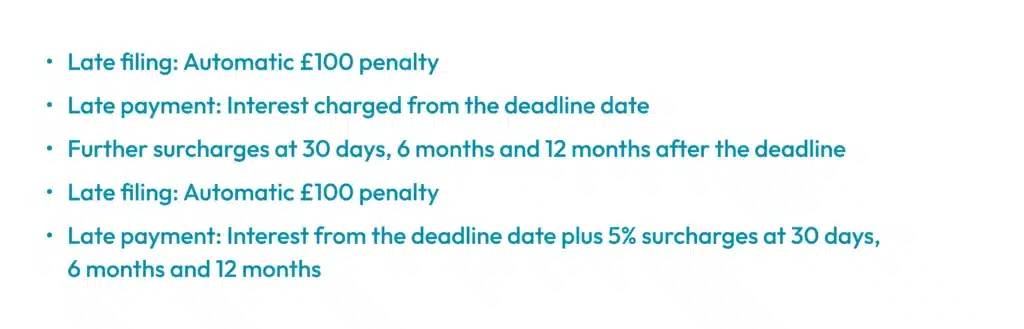
Penalties for Late Filing or Payment:
Close Company Director Disclosure Requirements
According to ICAS Technical Bulletin, from 2025/26 onwards, taxpayers must state whether they are a director of a company during the tax year and whether that company is a close company.
Where the taxpayer is a director in a close company, the regulations require:
- The name and registered number of the close company
- The amount of dividend income received from the close company (even if zero)
- The percentage of the share capital of the close company held (highest % if changed)
- Confirmation of director status
This applies even where dividend income is zero or within the £500 allowance.
Directors not already registered for Self-Assessment who receive dividends above £500 from a close company must register by 5 October 2027 to avoid automatic penalties.
How to Reduce Your Dividend Tax Bill?
Limited company directors in the UK can reduce dividend tax by using the annual ISA allowance, making pension contributions, reviewing the salary and dividend mix and considering income splitting with a spouse or family member. Each of these works differently depending on your income structure, so it is worth knowing what applies to your situation.
Use Your ISA Allowance
Dividends on shares held inside a Stocks and Shares ISA are completely tax-free. The annual ISA allowance is £20,000 and shifting investments into an ISA over time directly reduces the amount of taxable dividend income you receive each year.
Important: You cannot hold shares in your own private limited company inside an ISA. This strategy applies to third-party shareholdings and investment portfolios only.
Make Pension Contributions
Pension contributions reduce your adjusted net income, which can bring dividend income into a lower tax band. Employer pension contributions made through a limited company are also deductible for corporation tax purposes a particularly efficient option for directors.
Review Your Salary and Dividend Mix
The most tax-efficient salary level shifts each year as NI thresholds, personal allowance levels and corporation tax rates change. Modelling salary, dividends, corporation tax and NI together gives you the accurate picture.
Consider Income Splitting
If a spouse or family member holds shares in the company, dividends paid to them draw on their own personal allowance and dividend allowance, potentially at a lower rate. The arrangement must be genuine and sit within HMRC’s settlement legislation.
Conclusion
Dividend tax rates for UK taxpayers increased on 6 April 2026, with the basic rate now at 10.75% and the higher rate at 35.75%. The dividend allowance remains at £500 and the additional rate is unchanged at 39.35%.
For limited company directors, the salary and dividend structure that worked last year may not be the most efficient one now. With rates higher and income tax thresholds still frozen, the difference between a reviewed structure and an unreviewed one is measurable.
If you would like to review your position for 2026/27, the team at DNS CloudCo can help. Call at 01908 886755 or email info@dnscloudco.co.uk to speak with a UK accountant.
FAQs
What are the UK dividend tax rates for 2026-27?
The basic rate is 10.75%, the higher rate is 35.75% and the additional rate is 39.35%. These apply after the personal allowance of £12,570 and the £500 dividend allowance have been used.
What is the dividend allowance in 2026-27?
The dividend allowance is £500 for 2026-27. The first £500 of dividend income is taxed at 0%, though it still counts towards total taxable income when HMRC determines which band the remainder falls into.
How much dividend can I pay myself tax-free?
Up to £500 is covered by the dividend allowance at 0%. Any dividends falling within an unused personal allowance of £12,570 are also tax-free, provided salary has not already absorbed it.
Do I pay tax on dividends from a limited company?
Yes, dividends from a limited company are paid from post-corporation-tax profits and are then subject to personal dividend tax above the £500 allowance at the applicable rate.
How are dividends taxed differently from salary?
Dividends are not subject to National Insurance and the tax rates are lower than income tax rates at each band. However, dividends can only be paid after the company has settled its corporation tax liability on those profits.
How do I calculate my dividend tax?
Add all income for the year, apply the £12,570 personal allowance, allow salary to fill the tax bands first, apply the £500 dividend allowance, then tax remaining dividends at the rate that corresponds to the band they fall into.
Are dividends within an ISA subject to dividend tax?
No, dividends received on shares held inside Stocks and Shares ISA are completely tax-free and do not need to be reported to HMRC.

Divyanshi is a subject matter expert in the UK accounting space, creating clear and easy-to-read content for accountants and businesses. She covers topics such as VAT returns, Self-assessment tax, bookkeeping, business planning and Year-end accounts. By understanding the common challenges faced by accountants and business owners, she focuses on writing content that answers real questions and simplifies complex topics. Her approach keeps information clear, relevant and useful for everyday business needs.